Home schooling spelling activities work best when they use words your child needs, allow time to practise and give you a way to discuss mistakes. This guide combines a simple weekly routine with optional spelling and number games. It can also help families supporting school homework at home.
Start with the words your child is learning
Choose a manageable list with your child’s teacher or home-education plan. Read each word together and talk about its meaning. Use it in a sentence before asking your child to spell it.
I first wrote a spelling app after struggling to keep track of my son’s weekly homework list. A missing book or a lost sheet could delay the whole session. Keeping a copy of the words on a phone gave us another way to practise when the paper list was not handy.
Four home schooling spelling activities
- Look, cover, write and check. Study a word, hide it, write it from memory and compare the result. Talk through the part that caused trouble.
- Say a sentence. Ask your child to explain the word in context. For words that sound alike, such as wood and would, the sentence helps show which spelling is needed.
- Sort by a pattern. Group words with a shared ending or sound. Then look at any words that do not follow the same pattern.
- Revisit a few earlier words. Mix some familiar words into the next session. This gives your child another chance to use what they have learned.
Use an app as one part of the routine
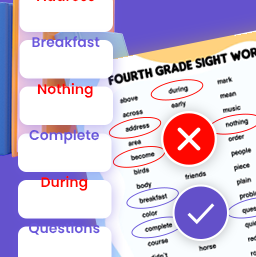
Spelling Bee Games & Tests lets families practise their own spelling lists as well as built-in words. You can add a school list and use spoken words and sentences to support practice. Check imported words before starting, especially after scanning a photograph.
The app also includes times tables activities. It is free to try; the store listing explains the current purchase options. The download badges below open the iPhone and Android listings.

Give numbers a short turn too
For multiplication, start with the table your child is learning. Draw groups or use objects to explain a fact, then practise a few questions. Our five-minute times tables routine offers an example you can adapt.
Older children and adults may enjoy Countdown Letters and Numbers. Its number challenges ask players to reach a target using the numbers provided. Use an untimed practice option when the aim is to explain a method rather than race.
Try word clues for a change
Word Scramble – Vocabulary Game combines mixed-up letters with a definition or clue. It offers a different challenge from learning a weekly list. Read the clue together, discuss unfamiliar words and check that the level suits your child.

Keep home schooling spelling activities manageable
Alternate screen activities with reading, handwriting and conversation. Keep sessions short enough for your child to engage, and take a break when needed. A score can start a useful discussion, but it does not replace seeing how your child reached an answer.
Before choosing any learning app, check its age guidance, device requirements and purchase details. Try a small activity yourself first. Then decide whether it supports the learning you want to do together.